


-

Add: HeBei ShengShi HongBang Cellulose Technology CO.,LTD.
-

Email
13180486930@163.com -

CONTACT US
+86 13180486930

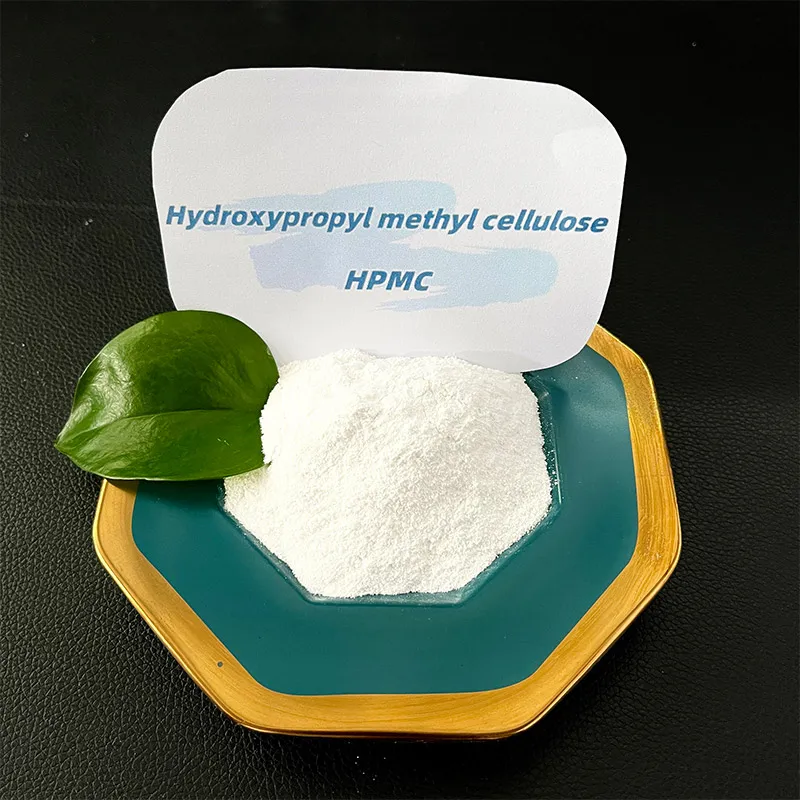

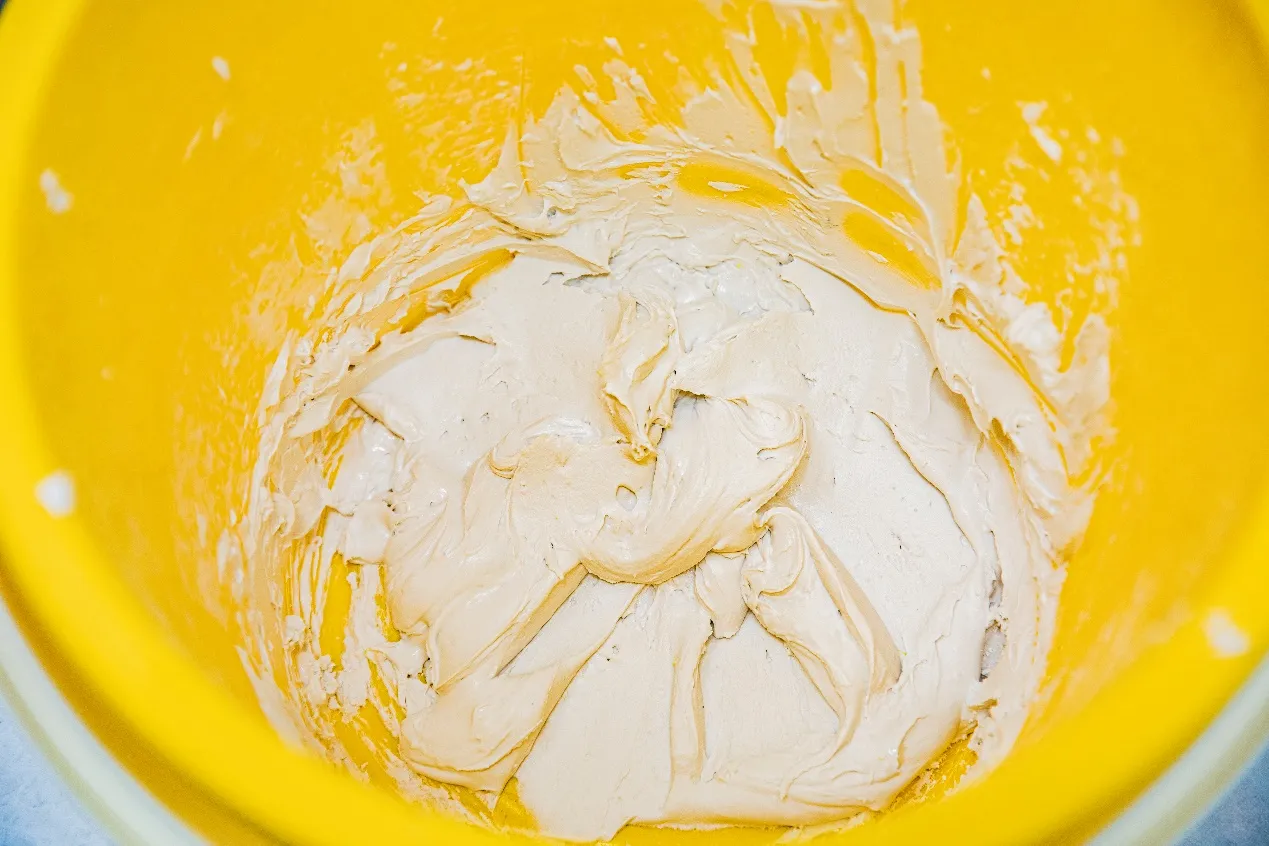



Hydroxypropyl methylcellulose (HPMC), a multifunctional polymer, serves as a key excipient in tablet formulations, playing a pivotal role in the pharmaceutical industry. Renowned for its versatile applications in tablet production, HPMC's functionalities extend to improving the physical and release characteristics of tablets, thereby enhancing the overall drug delivery system. Its frequent use arises from its non-toxic, non-allergenic properties, making it a trusted ingredient for oral delivery systems. HPMC is crucial as a binder, a film-coating agent, and a controlled release polymer. In the binding process, HPMC serves as an adhesive that holds the tablet ingredients together, ensuring structural integrity and consistency during manufacturing, transportation, and storage. Being water-soluble, HPMC easily hydrates and swells, forming a gel-like structure that aids in maintaining tablet cohesion. This characteristic dramatically minimizes the occurrence of tablet fragmentation or disintegration before it reaches the consumer, maintaining the dosing accuracy vital for therapeutic effectiveness. In the realm of film coating, HPMC provides tablets with a protective outer layer that inhibits moisture, oxygen, and light degradation—common factors that can affect the active pharmaceutical ingredients' (API) stability. The film forming capability of HPMC is instrumental in ensuring aesthetic appeal by smoothing the surface of the tablet, which can also facilitate branding through printing or distinct coloring. Additionally, the use of film coatings can assist in masking unpleasant taste and odor, further improving patient compliance. A more sophisticated application of HPMC is in controlling the release of APIs. The development of sustained-release or extended-release formulations allows a gradual release of the medication over time, which can be crucial for drugs requiring consistent blood concentration levels. HPMC achieves this by forming a gel barrier when exposed to gastrointestinal fluids, controlling the rate at which the medication is released. This controlled release mechanism provides substantial benefits such as reduced dosing frequency, improved patient adherence, and minimized side effects due to peak plasma spikes. hpmc used in tablets From an expertise perspective, the manipulation of HPMC’s molecular weight and substitution pattern allows pharmaceutical scientists to tailor its properties to specific formulation needs. This capability underscores HPMC's role in formulating both immediate and controlled-release dosage forms. Its compatibility with a wide range of active substances further validates its indispensable utility in drug formulation. Studies affirm HPMC's safety profile, with substantial documented evidence supporting its non-toxicity and tolerability, earning the confidence of regulatory bodies globally. Experts consistently endorse its use, given its minimal interaction with APIs and excipients, ensuring that drug integrity is preserved throughout the shelf life. This adds credence to HPMC's credibility and trustworthiness in pharmaceutical applications. Moreover, real-world experience attests to HPMC’s reliability . Pharmaceutical companies globally report high levels of satisfaction with its performance, notably in enhancing product stability and patient compliance. Consistent with evolving consumer demands and regulatory guidelines, HPMC continues to be at the forefront of innovation in tablet formulation technology. In conclusion, Hydroxypropyl methylcellulose remains an exemplary choice for tablet formulation due to its multifunctional attributes and unparalleled reliability. Its ability to adapt to diverse formulation needs reaffirms its status as a cornerstone of tablet technology, combining professional expertise, safety, and performance. Such features assure both manufacturers and consumers of its efficacy, safety, and continuation as a preferred excipient in tablet development.
- 40000tons

Production
- 20+years

Experience
- 5000+㎡

Acreage

-

Гидроксипропилметилцеллюлоза (гипромеллоза) капсулы становятся все более популярными на мировом рынке благодаря своим многочисленным преимуществам в сравнении с традиционными капсулами, изготовленными из желатина. Гипромеллоза - это полимер природного происхождения, который делает эти капсулы более устойчивыми и экологически чистыми. Давайте более подробно рассмотрим преимущества и динамику рынка HPMC капсул, опираясь на реальный опыт, экспертное мнение и данные исследований. Рынок капсул из гипромеллозы значительно вырос в последние годы, и прогнозы указывают на дальнейший рост в связи с увеличением спроса на растительные альтернативы в фармацевтической и пищевой промышленности. Все большее количество потребителей переходит на веганский образ жизни, что способствует увеличению спроса на растительные продукты, в том числе и капсулы. В связи с этим, производители в сфере капсул переходят на использование гипромеллозы, которая удовлетворяет эти новые потребности. Экспертные исследования показывают , что капсулы из гипромеллозы обладают рядом преимуществ. Они характеризуются высокой стабильностью относительно различных условий окружающей среды, таких как температура и влажность. Это свойство делает их особенно подходящими для доставки активных веществ, которые могут быть нестабильны в капсулах из животного желатина. Помимо этого, капсулы HPMC являются безопасными для широкой целевой аудитории, включая людей с различными диетическими ограничениями, такими как веганы, вегетарианцы и те, кто страдает аллергией на определенные компоненты животного происхождения. Они также гипоаллергенные, что делает их более привлекательными на рынке с точки зрения безопасности и толерантности. Рыночная экспертиза показывает, что инновации в производственных процессах HPMC капсул ускоряют их адаптацию в фармакологии и в сфере спортивного питания. Процесс производства более экологичен, что привлекает внимание компаний, стремящихся к устойчивому развитию. Такие изменения, как снижение выбросов углерода и уменьшение зависимости от животных источников, добавляют HPMC капсулам репутацию экологически безопасного выбора. Рынок капсул HPMC Авторитетные агентства по контролю качества и безопасности продуктов одобряют гипромеллозные капсулы, подтверждая их неоспоримую пользу и безопасность. Все больше исследовательских учреждений подтверждают их эффективность в доставке лекарственных средств, что создает дополнительный доверие к этому продукту среди медицинских работников и конечных потребителей. На данный момент существует несколько ключевых игроков на рынке, активно продвигающих и внедряющих продукты на основе гипромеллозы. Эти компании делают акцент на инновационные методологии производства, обеспечивая тем самым высокое качество и соответствие международным стандартам. Потребительское доверие к HPMC капсулам постоянно растет, благодаря чему они становятся не только популярным выбором среди пользователей, но и надежным партнером для врачей и фармакологов. Фактические данные потребительских опросов говорят о положительном восприятии и большей удовлетворенности данным продуктом. Таким образом, рынок капсул из гипромеллозы продолжает активно развиваться, предъявляя высокие стандарты качества и безопасности. Основанный на экспертных знаниях, доверии и длительном опыте пользователей и производителей, он обещает оставаться устойчивым трендом в мире капсул.
-
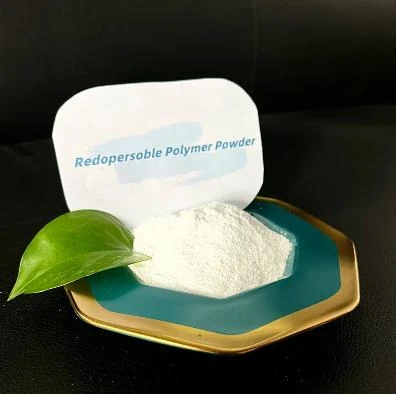
HPMC dextran has garnered considerable attention in the field of pharmaceuticals and biomedical applications due to its unique properties, which combine the advantageous traits of both hydroxypropyl methylcellulose (HPMC) and dextran. Products leveraging HPMC dextran are consistently praised for their versatility and effectiveness, established through comprehensive research and user feedback. Developed through the meticulous binding of HPMC, a water-soluble polymer, with dextran, a polysaccharide, this compound offers exceptional film-forming capabilities, stability, and bioadhesive properties. The synthesis involves careful selection of molecular weights and degrees of substitution to optimize the product for intended applications, ensuring it stands out in the competitive market. In terms of expertise, the robust applications of HPMC dextran cover a wide spanning array, from tablet coating to drug delivery systems and even surgical adhesion prevention. With precision control over its solubility and viscosity, HPMC dextran can be tailored to enhance the controlled release of active pharmaceutical ingredients (APIs). This ensures a prolonged therapeutic effect and improved patient compliance, a critical factor in the pharmaceutical industry. One notable application is in ophthalmology, where HPMC dextran is utilized in developing advanced tear substitutes. These formulations mimic natural tears, providing sustained moisture and comfort to patients suffering from dry eye conditions. Clinical studies consistently report high patient satisfaction, underscoring the trustworthiness of products containing HPMC dextran. Patients often note significant improvements in their symptoms, attributing their enhanced comfort to the consistent film-forming capability of HPMC dextran. hpmc dextran The authoritative nature of HPMC dextran also extends to its role in wound care . Its bioadhesive properties promote prolonged contact with wound surfaces, delivering continuous hydration and barrier formation, which are critical in accelerating the healing process. Medical professionals have documented faster recovery times and reduced scarring, enhancing its reputation as a reliable choice in wound management solutions. Research continues to explore this compound's potential, promising future innovations that could further cement its status in the medical community. Trust in HPMC dextran products is further validated by rigorous quality control processes implemented during manufacturing. Adherence to international standards, such as GMP (Good Manufacturing Practice), ensures the reliability and safety of these products. Each batch undergoes extensive testing for purity, potency, and stability, providing assurance to both healthcare providers and patients. Real-world experiences with HPMC dextran reveal its impact on patient outcomes and commercial success. Testimonials from both medical practitioners and end-users highlight the ease of use, effectiveness, and adaptability of HPMC dextran-based solutions. Such positive feedback reinforces its esteemed position in the pharmaceutical industry, continuously driving innovation and research into new applications and delivery forms. In summary, HPMC dextran is an exemplary product in the realm of medical and pharmaceutical applications, offering a combination of expertise, authority, and trustworthiness rarely matched by other compounds. As ongoing research continues to uncover its potential, both patients and healthcare professionals can expect to witness further advancements and benefits, underscoring its invaluable role in improving health outcomes worldwide. This powerful blend of science, trust, and real-world application ensures that HPMC dextran remains at the forefront of pharmaceutical innovation.
advantages
-

200000 Viscosities
Excellent product
We can produce pure products up to 200,000 viscosities
-

40000 tons
High yield
We don’t stop production all year round, and the annual output can reach 40,000 tons
-

24 hours
Quality service
We provide 24-hours online reception service, welcome to consult at any time
———— Inquiry Form
Schedule A services

-
 hpmc_full_form_in_pharma
Oct . 25, 2025
The unique behavior of starch ether in construction chemistry stems from deliberate modifications to -
 hydroxypropyl_starch_phosphate
Oct . 25, 2025
In the construction industry, particularly in regions with extreme weather conditions, freeze-thaw r -
 qu_est-ce_que_la_cellulose_de_bois
Oct . 25, 2025
In the ever-evolving landscape of industrial and pharmaceutical applications, understanding the dist


